Licensed Tree Experts Serving Montgomery County 24/7
Homeowners insurance policies vary significantly in their coverage of tree-related incidents. Each policy contains specific language about what is covered, coverage limits, and conditions that must be met. Property owners should review their actual policy documents or contact their insurance agent for definitive information about their coverage.
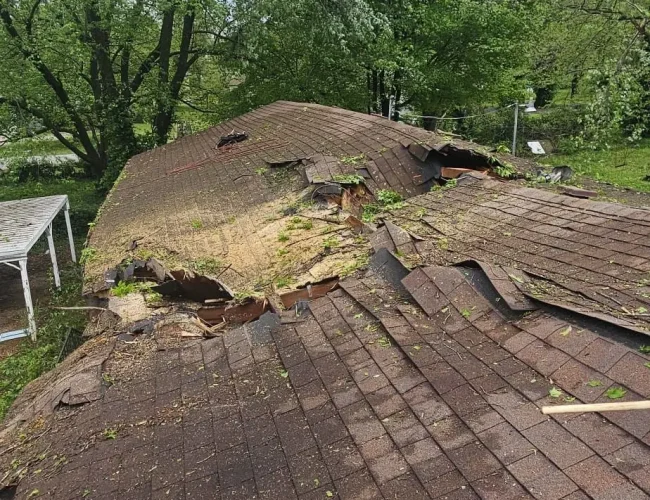
Many homeowners policies include coverage for tree removal when trees fall on insured structures like homes, garages, or sheds.
This coverage often applies when covered perils cause the tree failure. Covered perils typically include wind, lightning, ice, and similar weather events.
Some policies provide limited coverage for tree removal even when trees fall but do not hit structures. This coverage usually has lower dollar limits and may require that the tree blocks driveways or accessibility ramps.
Disease or gradual deterioration may not receive coverage under standard policies. Insurance companies often consider these maintenance issues.
Tree removal for trees still standing but posing hazards. Preventive removal falls outside most policy provisions.
Damage from trees from neighboring properties introduces questions about whose insurance responds. Liability and coverage depend on whether the neighbor was negligent in maintaining their tree.
Coverage depends on individual policies and insurer approval. Even when policies cover tree removal, dollar limits apply.
Common limits range from $500 to $1,500 per tree, with aggregate limits for all trees damaged in a single event. Property owners should verify their specific policy limits.
We support the claims process through documentation and communication with adjusters, while helping property owners understand what professional tree services can provide during insurance situations.
Filing insurance claims after tree emergencies involves several steps. Understanding the process helps Montgomery County property owners work efficiently with their insurers.
Payment timing varies by insurer and claim complexity. Simple claims may process in days. Complex situations can take weeks.
Include photos of the tree’s root system if uprooted, any visible decay or damage in the trunk or branches, and contextual shots showing weather damage in the area.
Tree On Me can assist property owners with the insurance process, though we cannot guarantee coverage or claim outcomes.
We provide photographs of the tree situation before removal, written descriptions of damage and removal requirements, and observations about tree condition and failure causes.
This documentation supplements what property owners provide to insurers. Professional observations about tree species, size, and failure mechanisms can support claims.
Tree On Me provides written estimates of removal costs. These estimates help property owners understand potential expenses and provide documentation for insurance claims. Estimates typically include the scope of work, equipment requirements, and time estimates.
When insurers request it, we can communicate directly with adjusters about removal requirements and processes. This communication helps adjusters understand technical aspects of tree removal that inform their coverage decisions.
Some situations require waiting for adjuster inspection before beginning removal. Tree On Me can often provide temporary stabilization while waiting for insurance processes to complete. Other situations require immediate removal for safety, which may occur before adjuster visits.
We determine response priority and dispatch appropriate crews. Our team of licensed tree removal experts are available 24/7 to help you! Call today and have your tree problem solved within the hour.
Tree problems don’t always wait for a convenient time. This FAQ covers common questions about fallen trees, hanging limbs, and storm damage—plus when it’s time to call for emergency help in Montgomery County. Quick answers to help you stay safe and avoid bigger problems.
Coverage depends on your specific policy language, the cause of tree failure, what the tree damaged, and other policy-specific factors. Only your insurance company can definitively answer coverage questions for your situation.
In dangerous situations requiring immediate removal, safety takes precedence. Document thoroughly before removal if possible. For non-emergency situations, many property owners prefer waiting for adjuster inspection. Discuss timing with your insurer.
Coverage typically comes from your own insurance initially. If the neighbor was negligent in maintaining their tree, your insurer might pursue recovery from the neighbor or their insurance. Property owners can consult with their insurance agent about these scenarios.
Standard homeowners policies typically do not cover preventive removal of hazardous trees. Some specialty coverage options or endorsements may include this, but it is not common in basic policies.
Some policies provide limited coverage for tree removal even without structure damage, particularly if the tree blocks driveways. Dollar limits for this coverage are usually lower than coverage for trees damaging structures. Verify your specific policy provisions.
Effective coordination between Tree On Me of Montgomery County, property owners, and insurance companies produces better outcomes.
Property owners should understand that insurance coverage, even when present, does not guarantee specific outcomes.
Insurance coverage depends on individual policy terms and insurer approval. Tree services cannot promise insurance will cover removal costs. Presenting a tree service estimate to an insurer does not obligate the insurer to pay that amount.
Different insurers interpret policy language differently. The same tree situation might receive coverage from one insurer but not another, based on policy differences.
Insurance payments might fall below actual removal costs. Policy limits, depreciation, and other factors affect payment amounts. Property owners remain responsible for any costs exceeding insurance payments.
Regular tree maintenance may help property owners avoid insurance claims and maintain coverage eligibility.
Some insurance companies inspect trees during underwriting or renewal. Trees with obvious hazards might lead to coverage restrictions or requirements for remediation.
Documented maintenance history shows due diligence in tree care. If claims arise, evidence of regular professional inspections and maintenance can support that tree failure was a sudden event rather than negligent maintenance.
However, insurance typically does not cover routine maintenance costs or preventive removal of healthy trees. Maintenance is considered a homeowner responsibility, not an insured event.
Once insurance processes complete and tree removal occurs, several considerations remain.
Montgomery County property owners facing tree emergencies should prioritize safety first, document thoroughly, and contact both Tree On Me and their insurance companies promptly. While coverage varies by policy, we support the claims process through documentation and communication. Always verify coverage details directly with your insurance company.
For immediate emergency situations, call our 24/7 emergency line. Additional questions are answered on our FAQ page, or contact us directly to discuss your specific situation.